
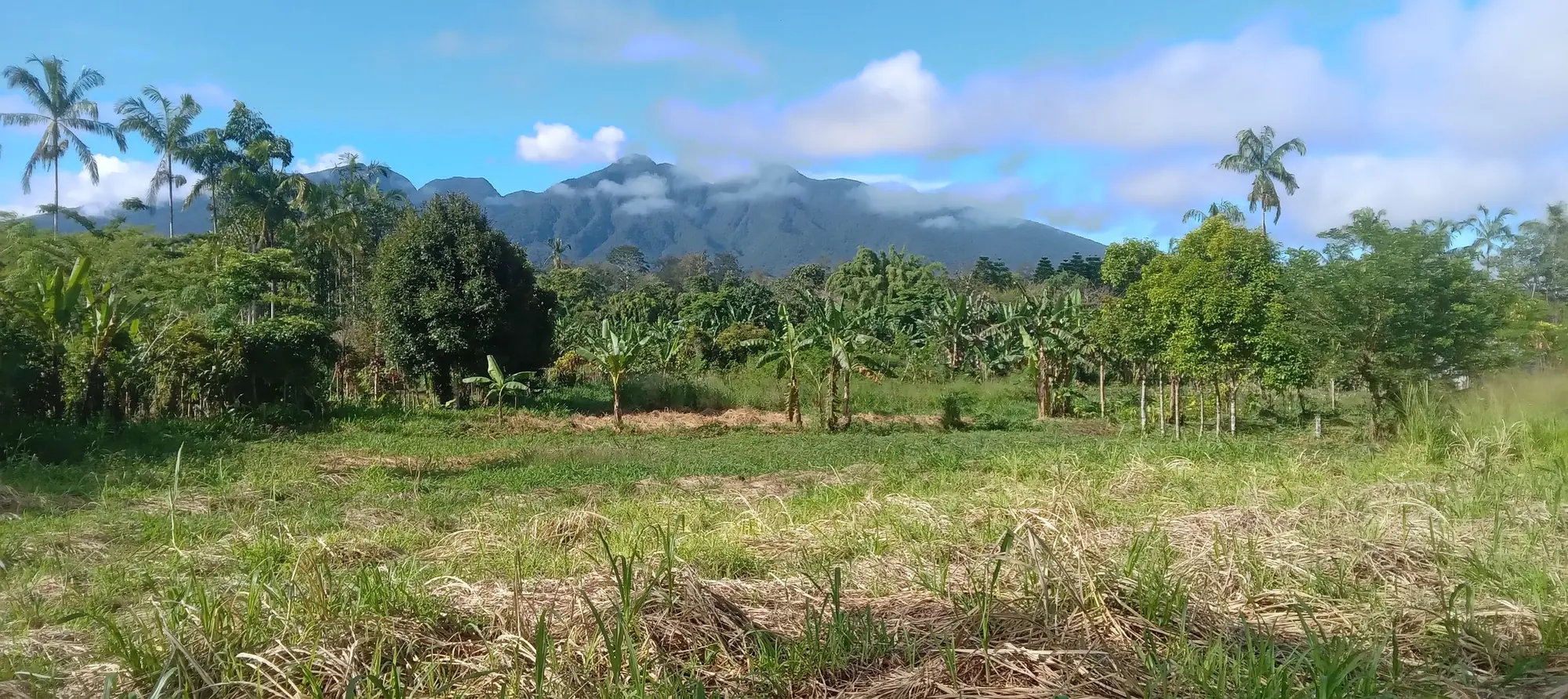
An extinct volcano.Four indigenous peoples.168,000 hectaresoffered for protection.
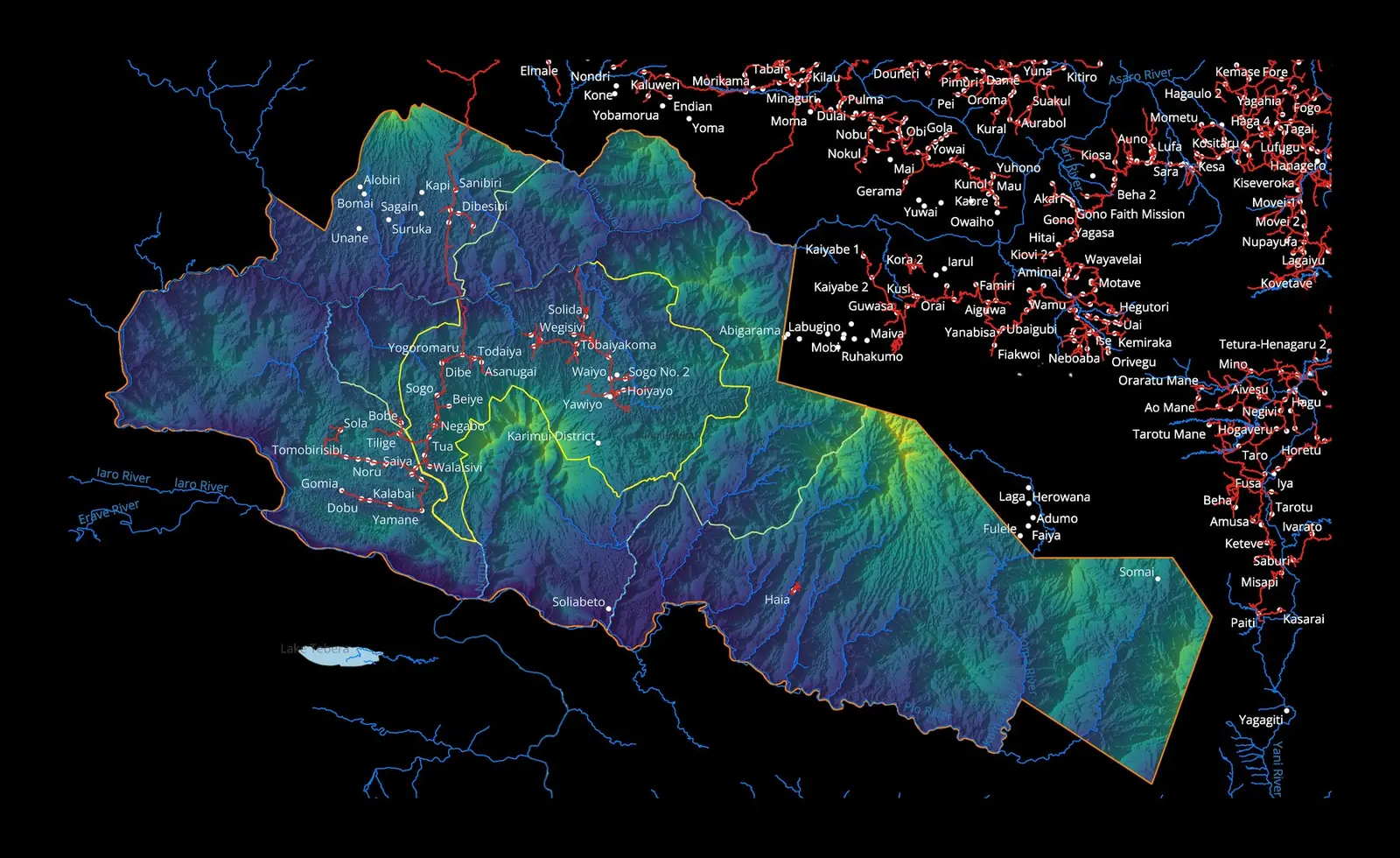
For over two decades, the people of Karimui have worked to protect this landscape. Their clans have given consent for 168,000 hectares, and the goal is 302,000 by 2030.
Working together under the October 2024 seven-party Memorandum of Understanding.
- KCRMPI
- Partners with Melanesians (PWM)
- CEPA
- Karimui-Salt Nomane DDA
- Karimui LLG
- Simbu Provincial Government
- Mt Karimui Farmers' Cooperative
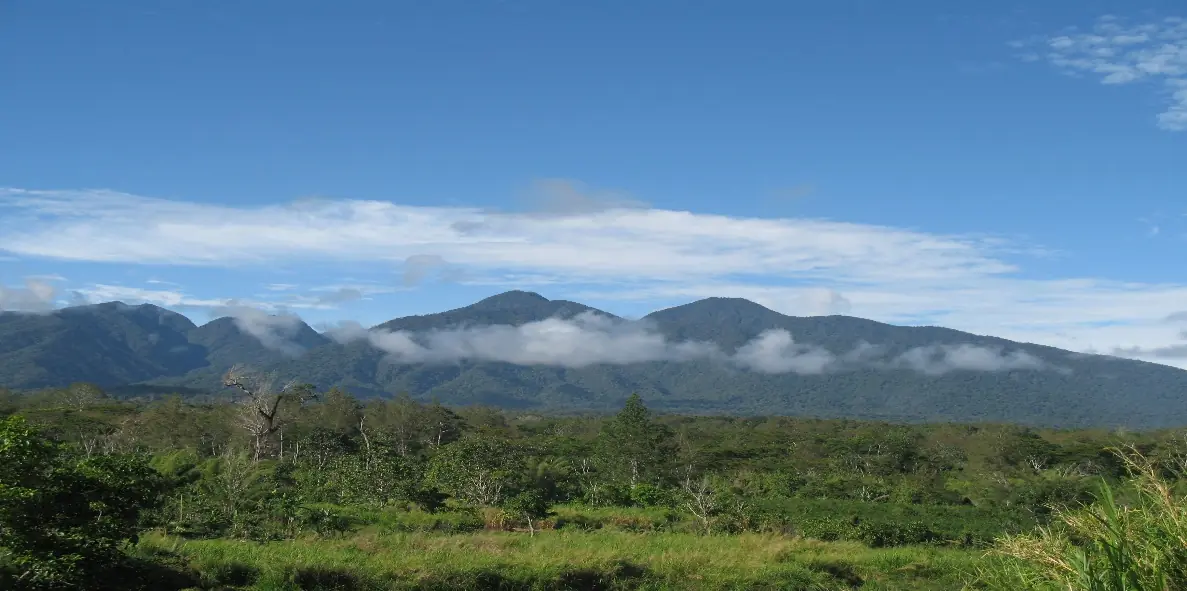
A bird known from two encounters.
The Karimui Owlet-Nightjar is known only from these forests — a 1964 specimen and a single sighting in 2016.
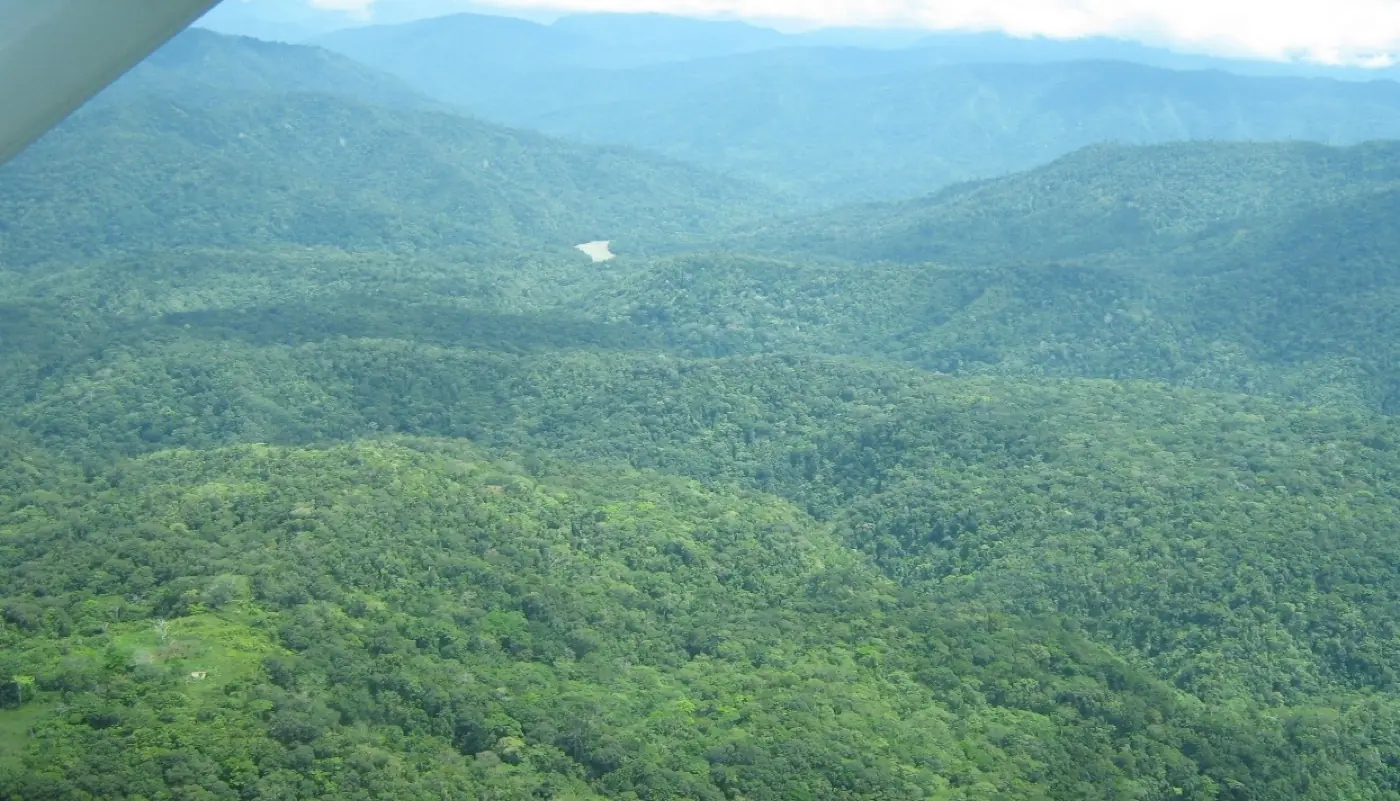
A mountain that records climate change.
Birds on Mt Karimui have shifted their ranges uphill as the mountain warms. They need the forest above them to survive.
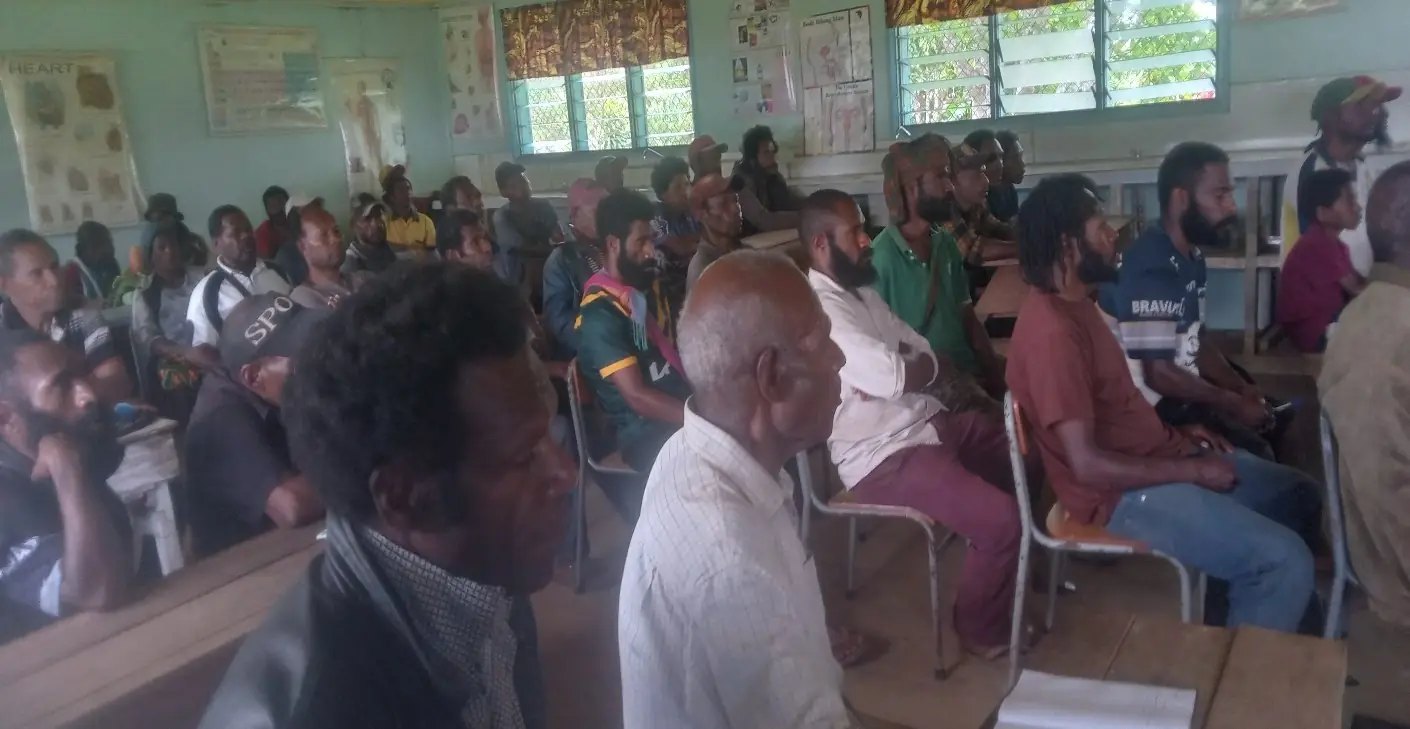
Customary land, community decisions.
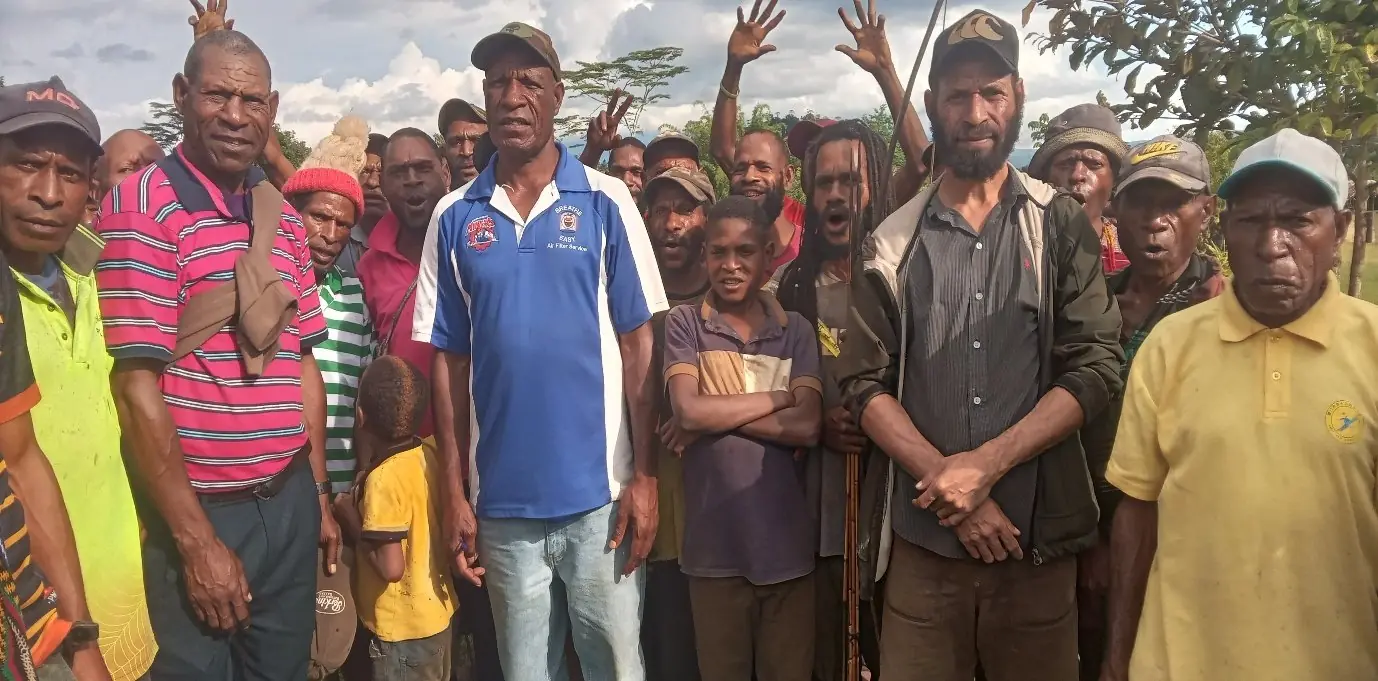
Four indigenous peoples hold this land. Conservation here can only happen through them.
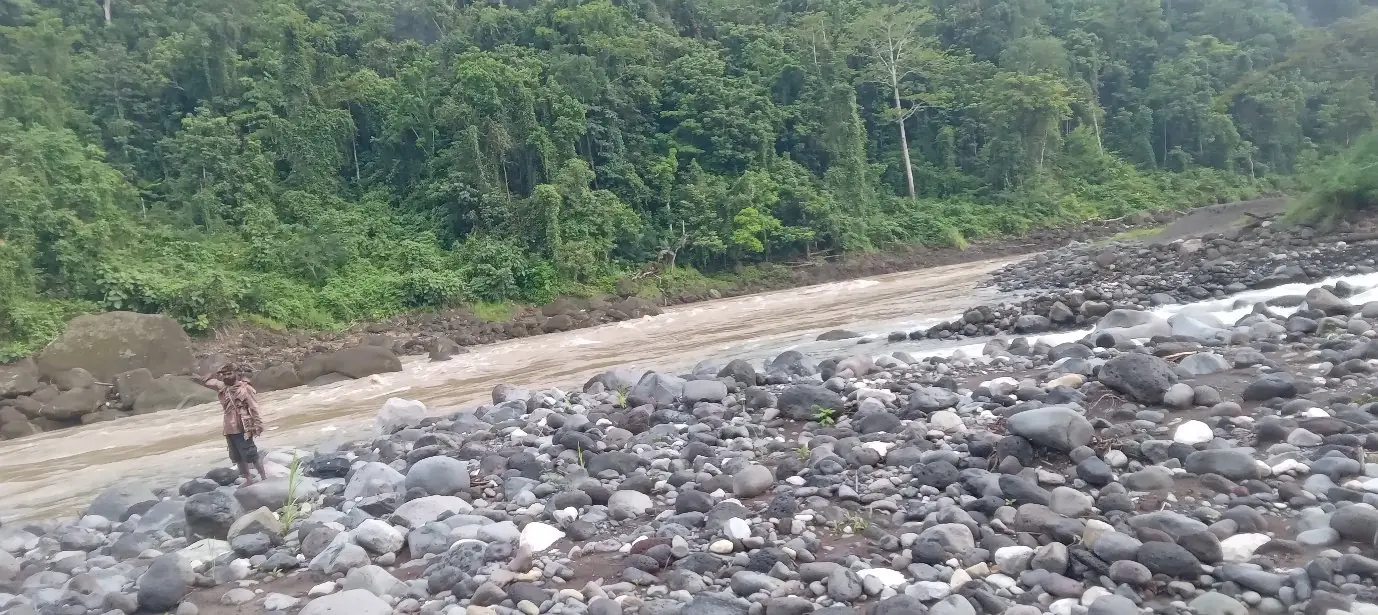
Water for the lowlands.
Karimui's forests feed the rivers that run south through Gulf Province to the sea.
A Karimui man hands ornithologist Jared Diamond a bird caught sleeping by day — larger than any owlet-nightjar known. It is named for John Terborgh.
On the northeast ridge, a local hunter leads birders to a nest hole at dusk. It is the first confirmed field observation of the Karimui Owlet-Nightjar in 52 years.
The bird is recognised as a full species, Aegotheles terborghi — found only in the montane forests of Mt Karimui.
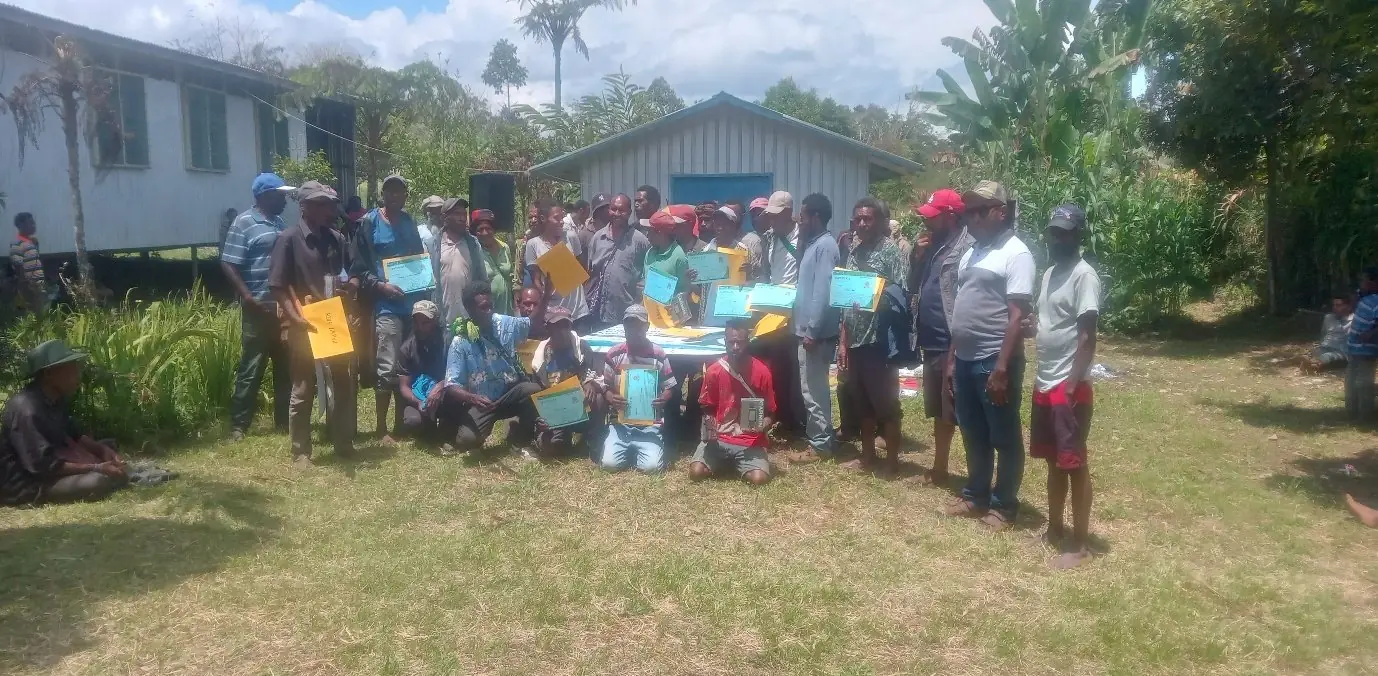
Consent, clan by clan.
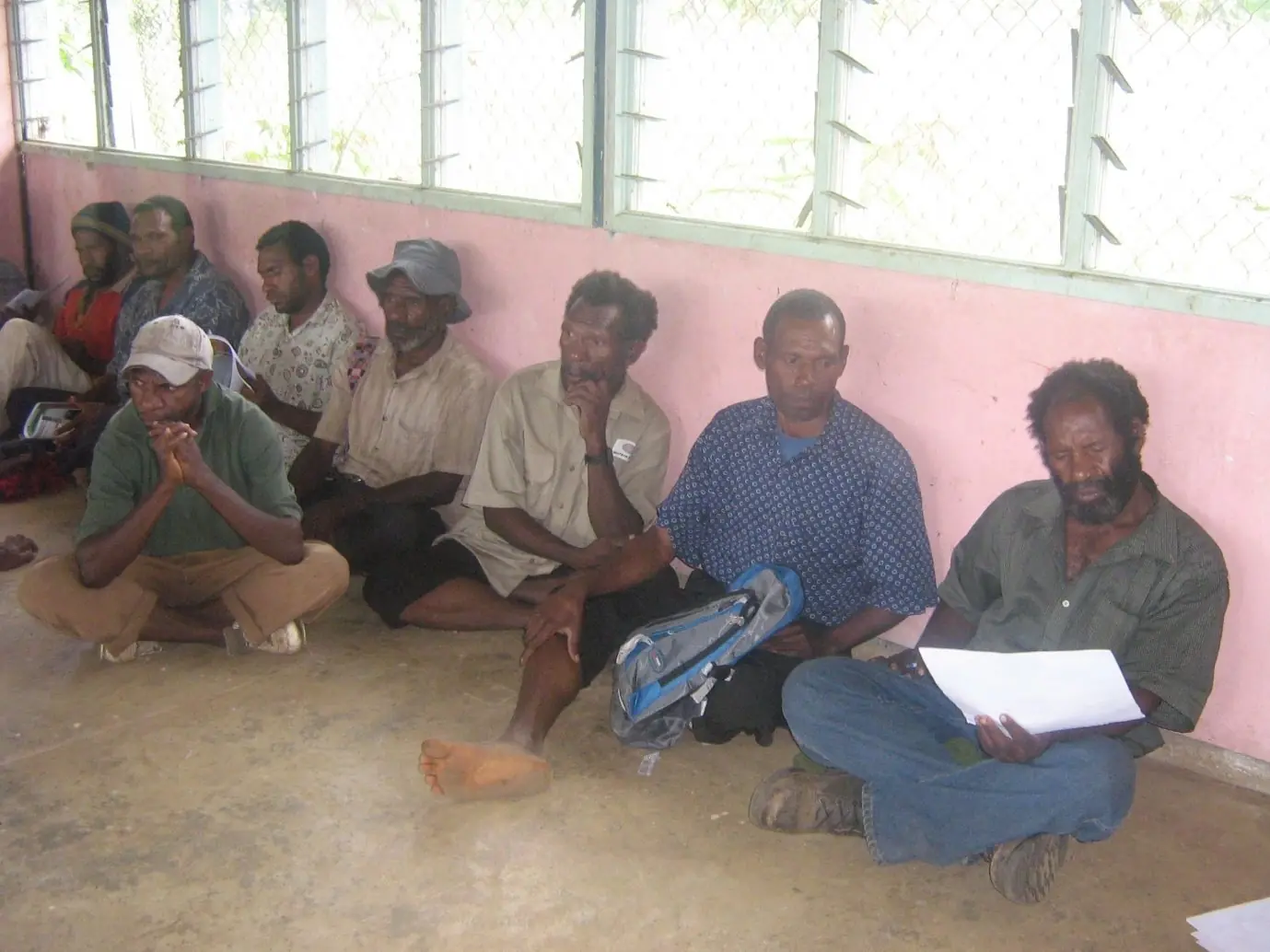
Fourteen of Karimui's 27 wards have signed free, prior and informed consent forms, representing more than 68 clans and 168,000 hectares.
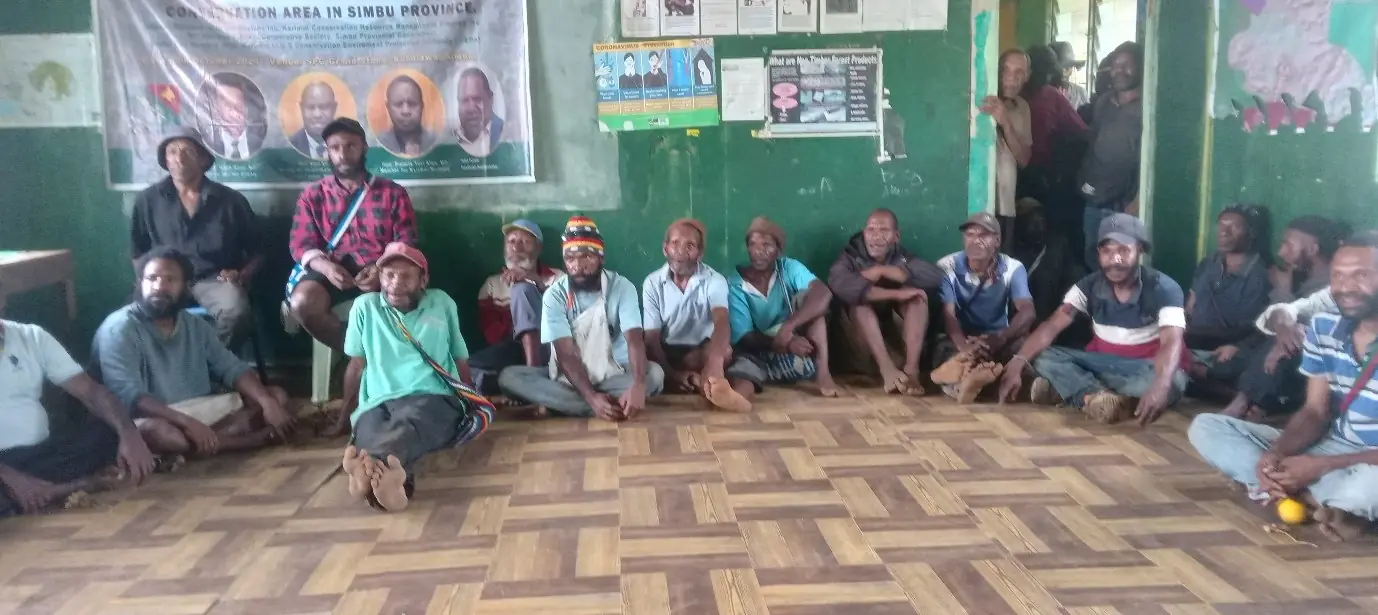
Rules made by the people who live by them.
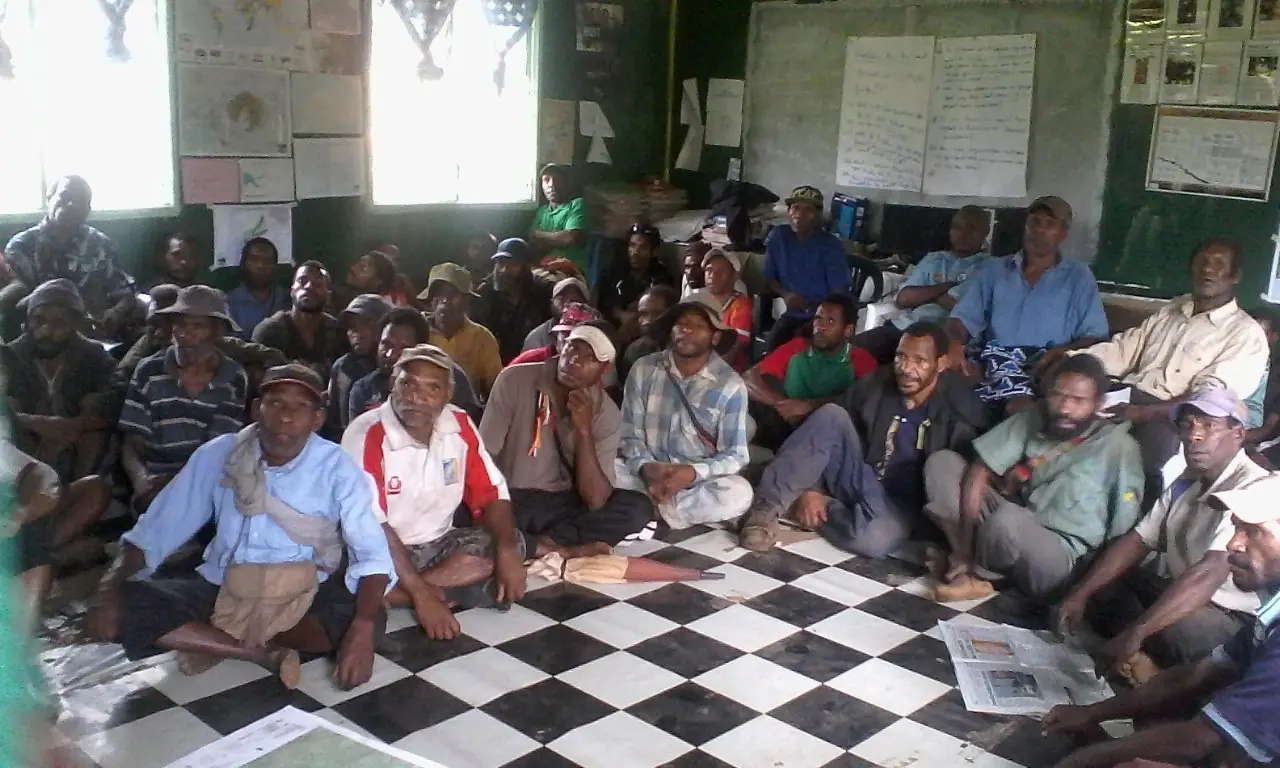
Clan conservation committees agree resource-use rules, settle land matters and carry the work into every village.
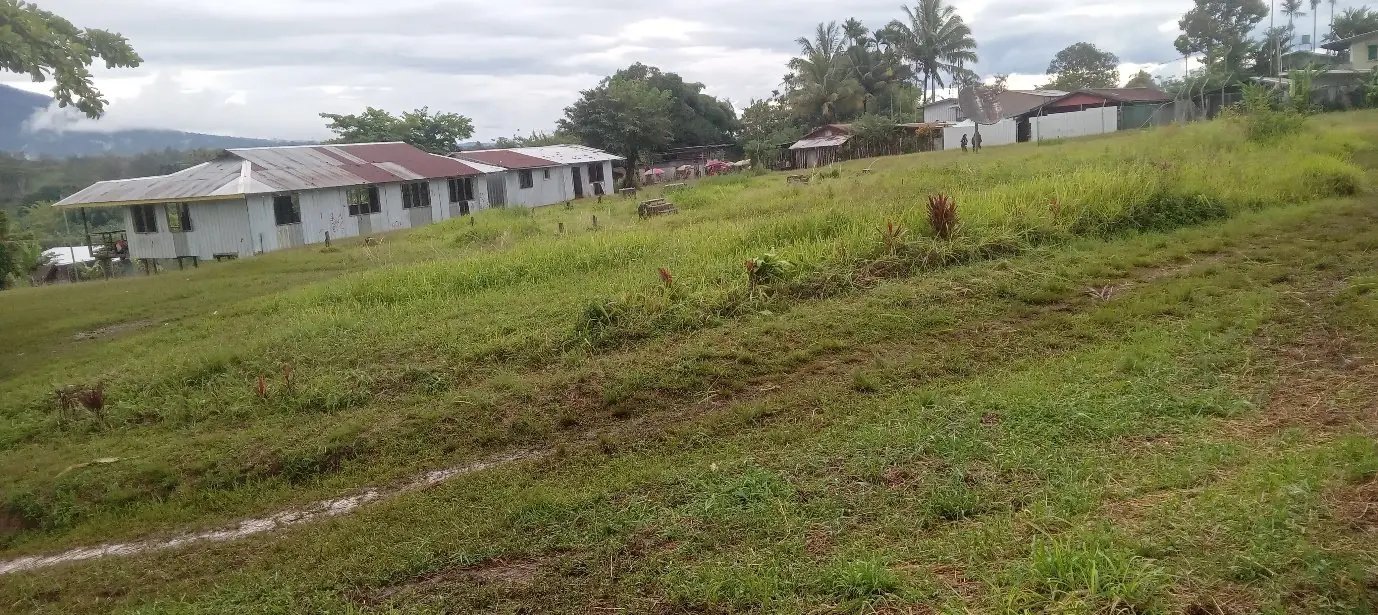
A base on the plateau.
KCRMPI works from its Field Base Office at Karimui Station — a community reached only by small aircraft or days on foot.
Gazettal, fast-tracked.
The Minister has directed CEPA to fast-track the gazettal and declaration of the Mt Karimui Conservation Area, aiming to finish by the end of 2026.
Wards whose clans have signed consent forms, representing more than 68 clans. The remaining 13 are still to sign.
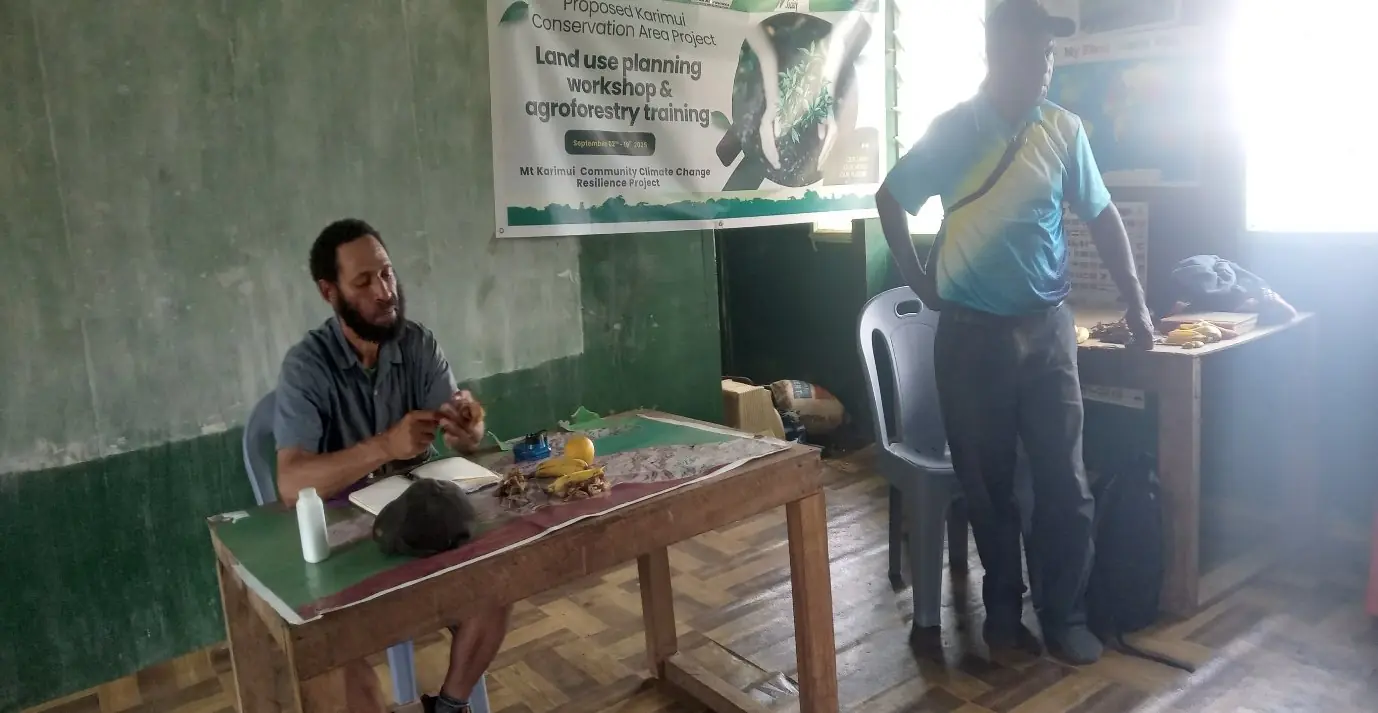
Foundation: build the skills, systems and equipment KCRMPI needs.
Implementation: run all four programmes in full, 2028–2030.
Conservation, capacity, livelihoods and community development.
A protected Mt Karimui, managed by the people who call it home.
KCRMPI's guiding philosophy
4 min 40 s · Lyrics subtitled in Tok Pisin and English.
KCRMPI is seeking partners to fund one pilot year: core staff, operating costs, and the chance to put its new policies and systems to work on the ground in Karimui.