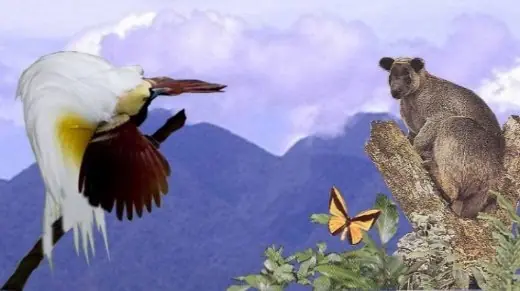
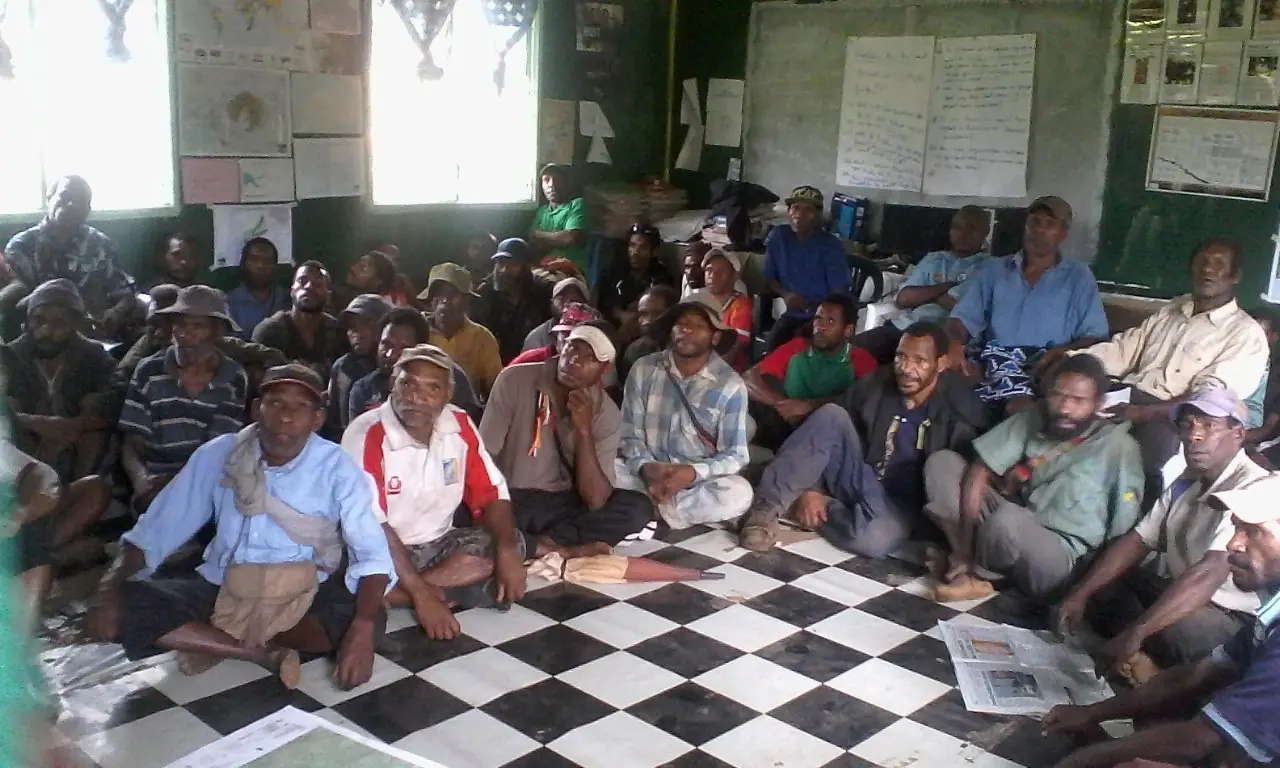
The first two years build the organisation's foundations; the next three implement all four programmes in full.
Foundation.
Build the skills, systems and equipment KCRMPI needs to implement projects on site: core staff, Board training, policies, audit and the tools to work from Karimui.
Implementation.
Run all four programmes in full — conservation, capacity building, livelihoods and community development — with the organisation strong enough to hold them together.
Conservation & Biodiversity
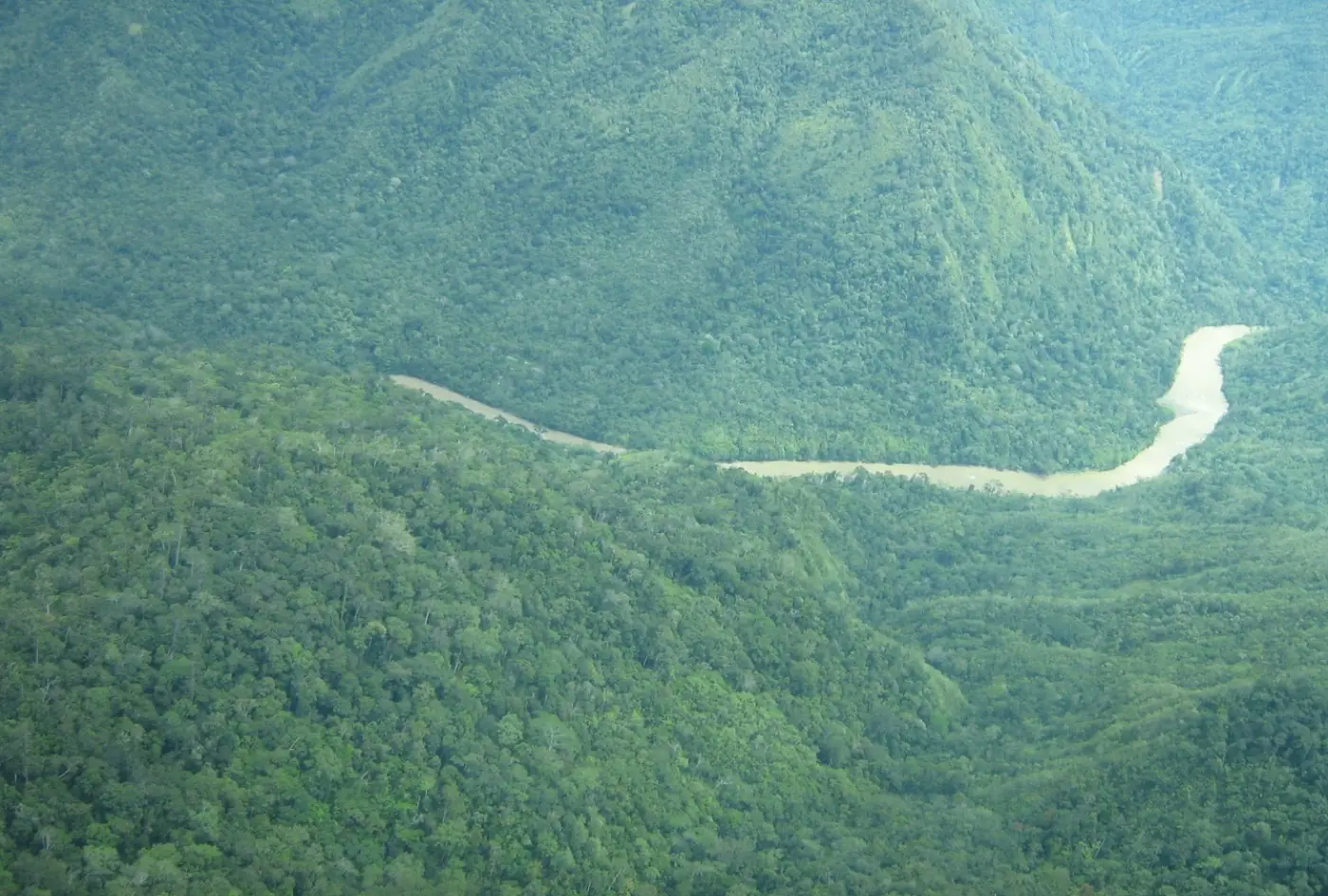
Goal: The Mt Karimui Conservation Area is formally gazetted under the PNG Protected Areas Act — beginning with the 168,000 hectares already under FPIC and growing toward 302,000 hectares by 2030 — with a CEPA-endorsed Management Plan and a functioning Conservation Area Management Committee.
Complete technical preparation
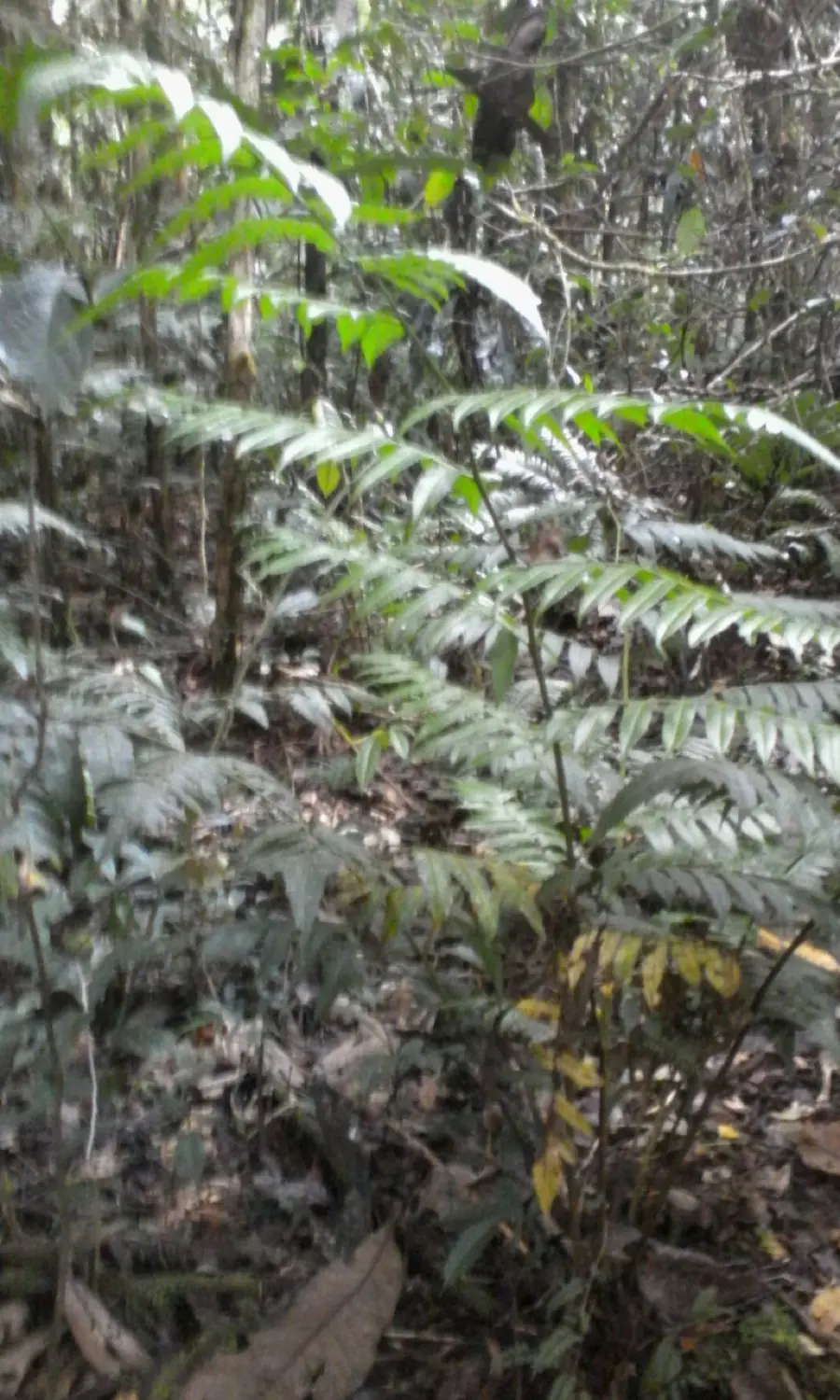
Awareness and consultation, plant surveys, IUCN Red List documentation, boundary mapping (P3DM), land-use planning, EIA and carbon biomass assessments.
Extend free, prior and informed consent
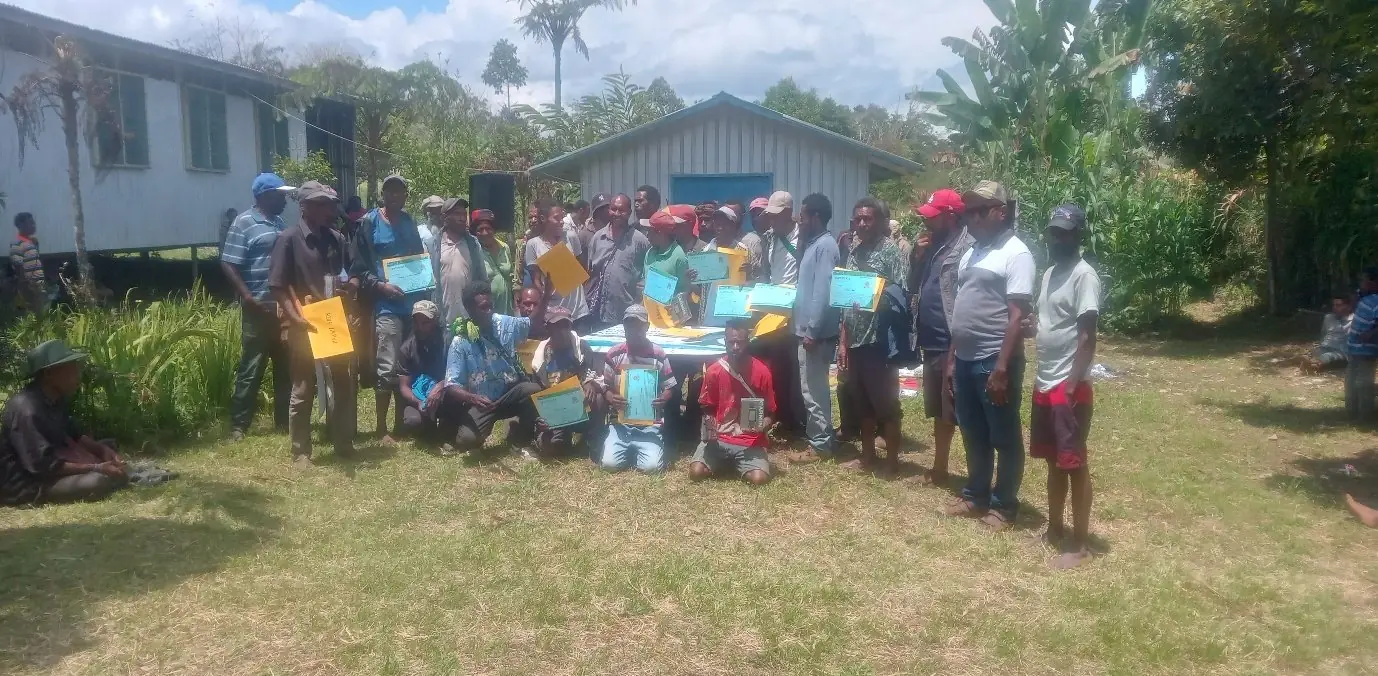
Fourteen wards have signed consent forms. Extend FPIC to the remaining 13 wards and their clans across the four indigenous peoples.
Achieve gazettal
Work with CEPA, which has been directed to fast-track the process, to complete formal gazettal and declaration as a PNG protected area.
Establish management
Constitute the CAMC, recruit and train rangers, set up monitoring and evaluation, and develop the Conservation Area Business Plan.
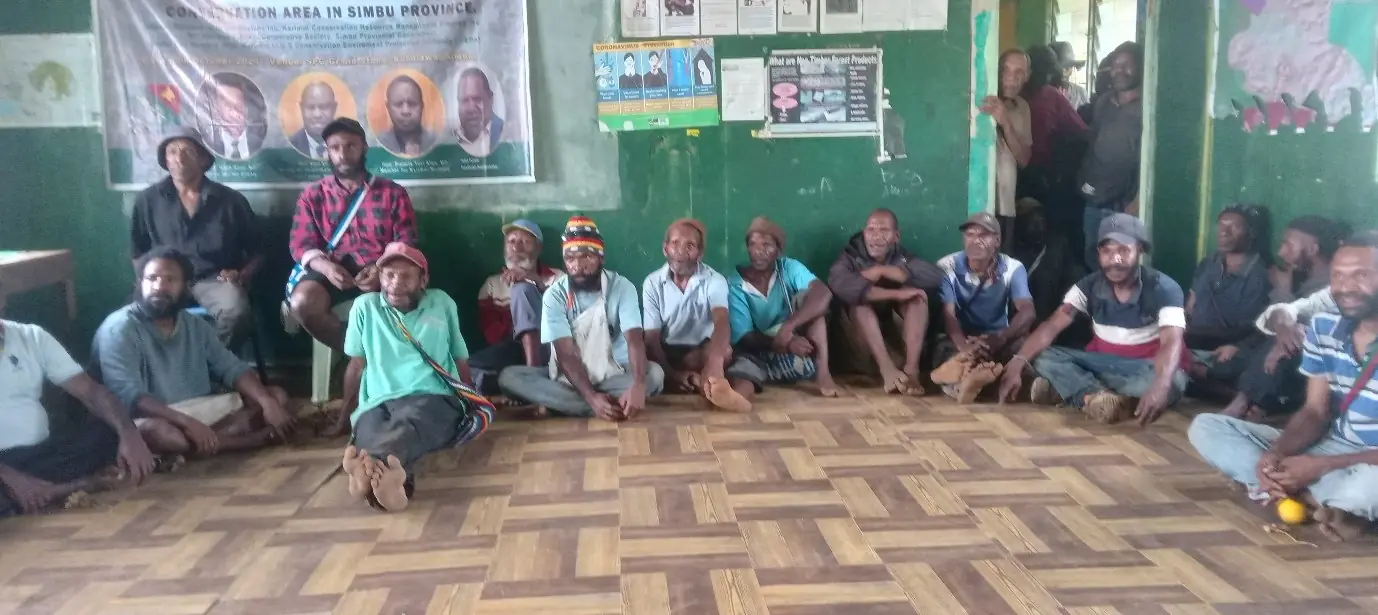
Local Organisation Capacity Building
Goal: By 2030, KCRMPI is a transparently governed, audit-ready, donor-eligible organisation with the skills, systems and equipment to implement its projects on site and co-manage the Mt Karimui Conservation Area.
This is the focus of the first two years. A capacity assessment by the Community Development Agency (CDA) in November 2025 recommended starting with three core staff — a Program Manager, a Finance & Administration Manager and a Facility Coordinator — and one year of operating funds to put systems and processes in place.
Governance & management
Board training for accountability and transparency, core policies and standard operating procedures, an audit of accounts, and conflict-of-interest and safeguarding frameworks.
Infrastructure & equipment
Solar power, office equipment and communications, field transport, the warehouse, and Resources Centres in the Daribi and Bomai areas.
Communications
This website, annual reports, regular partner and donor communications, and engagement with scientific collaborators.
People & skills
Recruiting core staff, a Human Resources policy, training field officers and volunteers, and monitoring and evaluation systems.
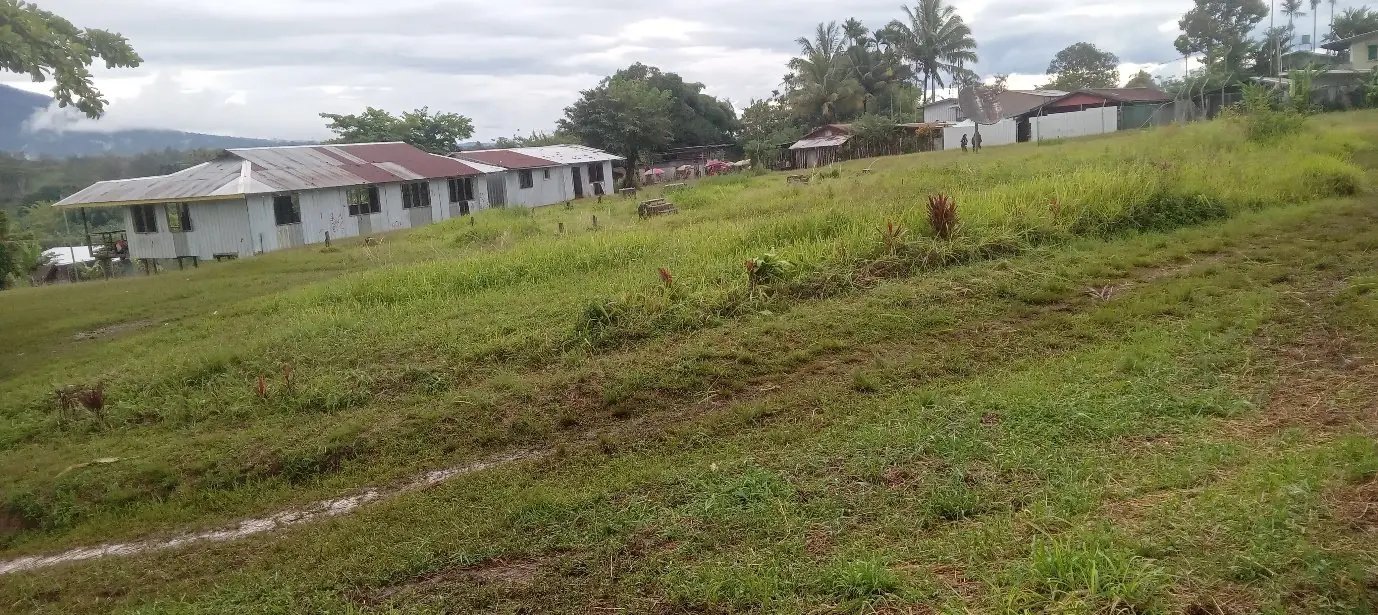
Sustainable Livelihoods
Goal: By 2030, conservation-compatible livelihoods deliver measurable income improvements to households across Karimui LLG, reducing pressure on forest resources.
Ecotourism & the Karimui Show
The annual Karimui Conservation, Agriculture and Cultural Show, running since 2018, is the foundation for a longer-term ecotourism programme built on Mt Karimui's research reputation and cultural assets.
Climate finance
A REDD+ feasibility study and biodiversity offsets under the Protected Areas Act framework.
Community Development
Goal: By 2030, basic services and appropriate-technology infrastructure across Karimui LLG meaningfully improve community wellbeing, reinforcing support for the Conservation Area.
KCRMPI's role here is mainly advocate, coordinator and community partner — these works depend on the District Development Authority, the LLG and national agencies.
Water supply and sanitation
Reliable water and sanitation for villages.
Mini-hydro and solar power
Clean energy for communities and the field base.
Footbridges and tracks
Safer routes between villages, gardens and markets.
Airstrip maintenance
Keeping open the only way in or out of Karimui.
Each programme offers partnership opportunities for donors, researchers, NGOs and technical experts — starting with the pilot year.