
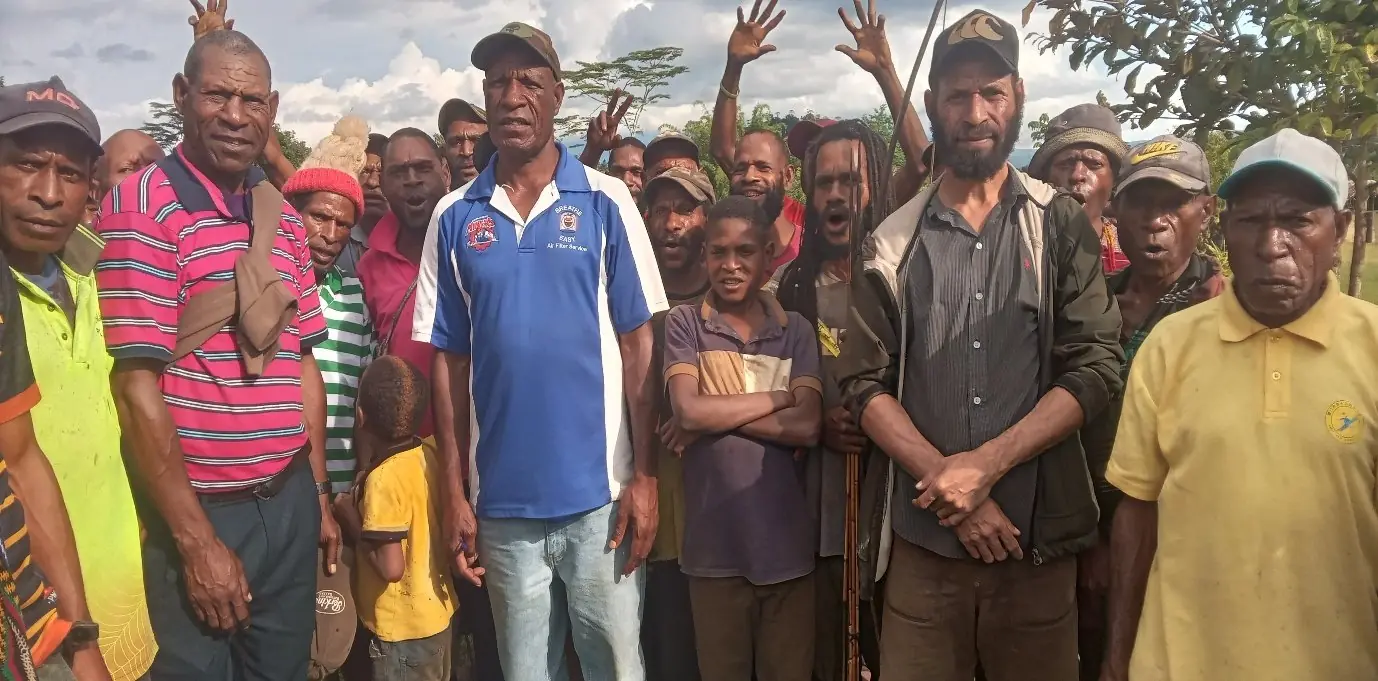
Over twenty years of sustained community work and partnership building for the conservation of Mt Karimui.
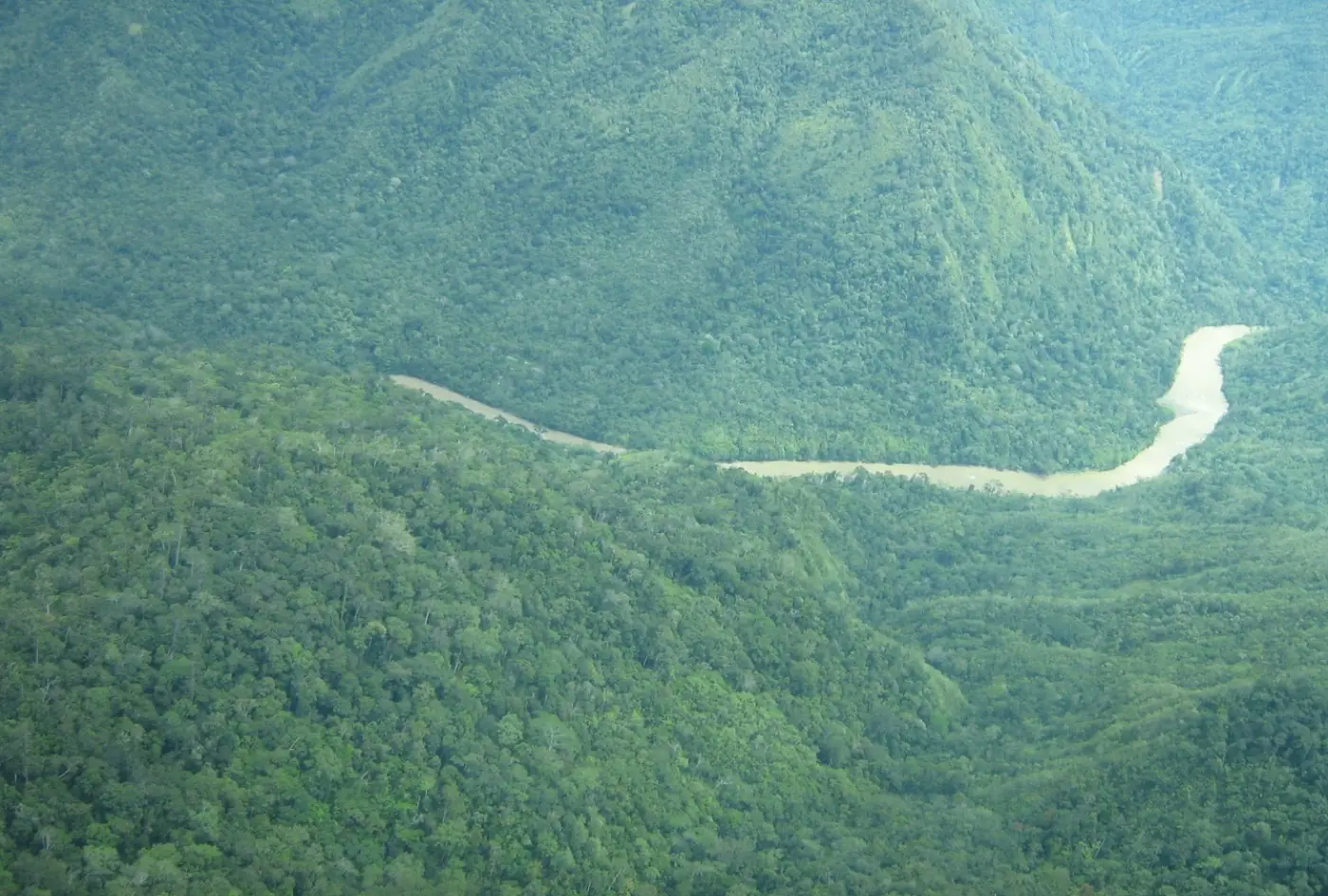
The Karimui Conservation and Resources Management Programme Inc. (KCRMPI) was established by the people of Karimui — clan leaders, landowners and conservation advocates — out of a clear, locally held conviction: the rainforests, biodiversity and cultural landscapes of Mt Karimui must be protected for the generations to come, and that protection must be designed and led by the communities whose customary land it is.
Since 2002, KCRMPI has carried this work across the 27 wards of Karimui LLG and the four indigenous peoples who hold customary tenure over the proposed conservation area: the Pawaia, Yasa, Daribi and Bomai.
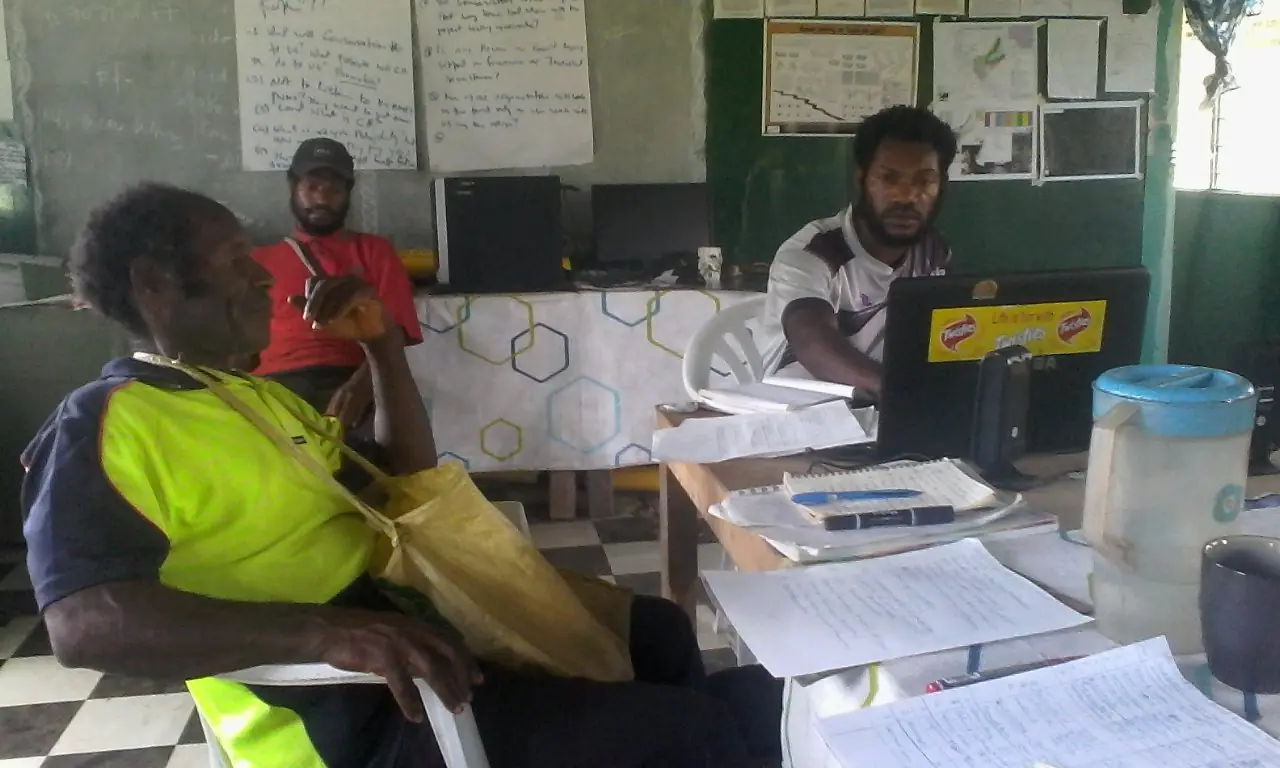
KCRMPI was founded and is led by John Anuabo Sethie, who started the work in 2002 and has served as Project Director throughout, supported by a Board of Directors, Clan Conservation Committees, programme staff and field officers.
In 2026, KCRMPI deliberately narrowed its Strategic Plan to what it can deliver. Earlier plans were broad, but the organisation did not yet have the funding, technical skills or staff to carry them out. The 2026–2030 plan builds that capacity first — skills, systems and equipment — before KCRMPI returns to its longer-term plans as a fully fledged NGO and community development organisation for Karimui.
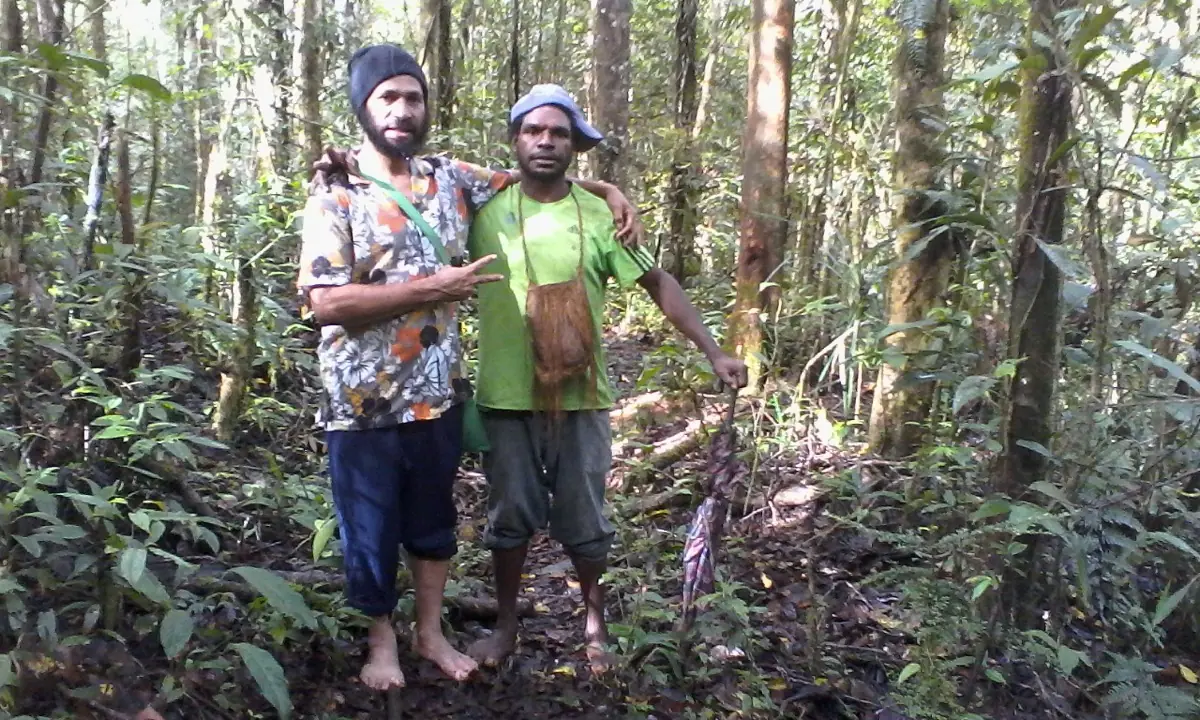
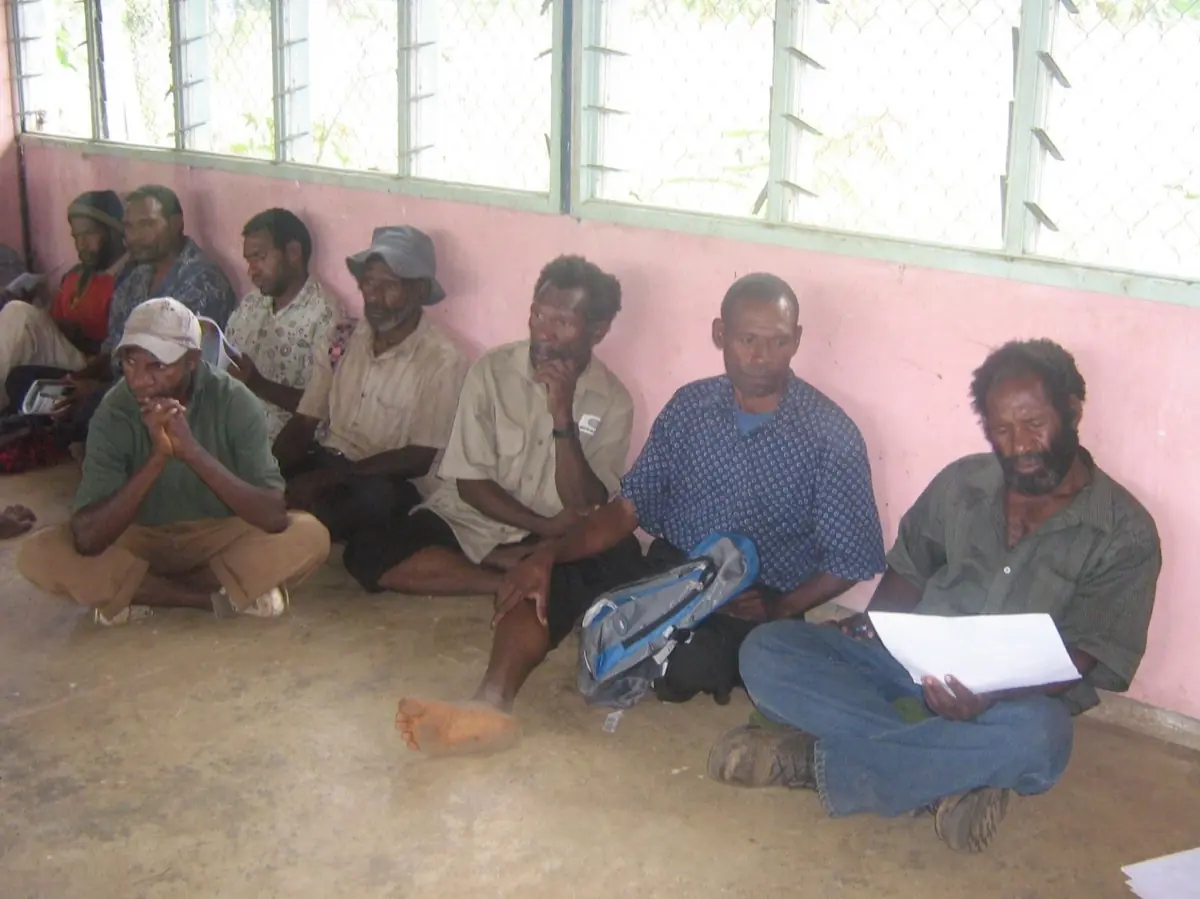
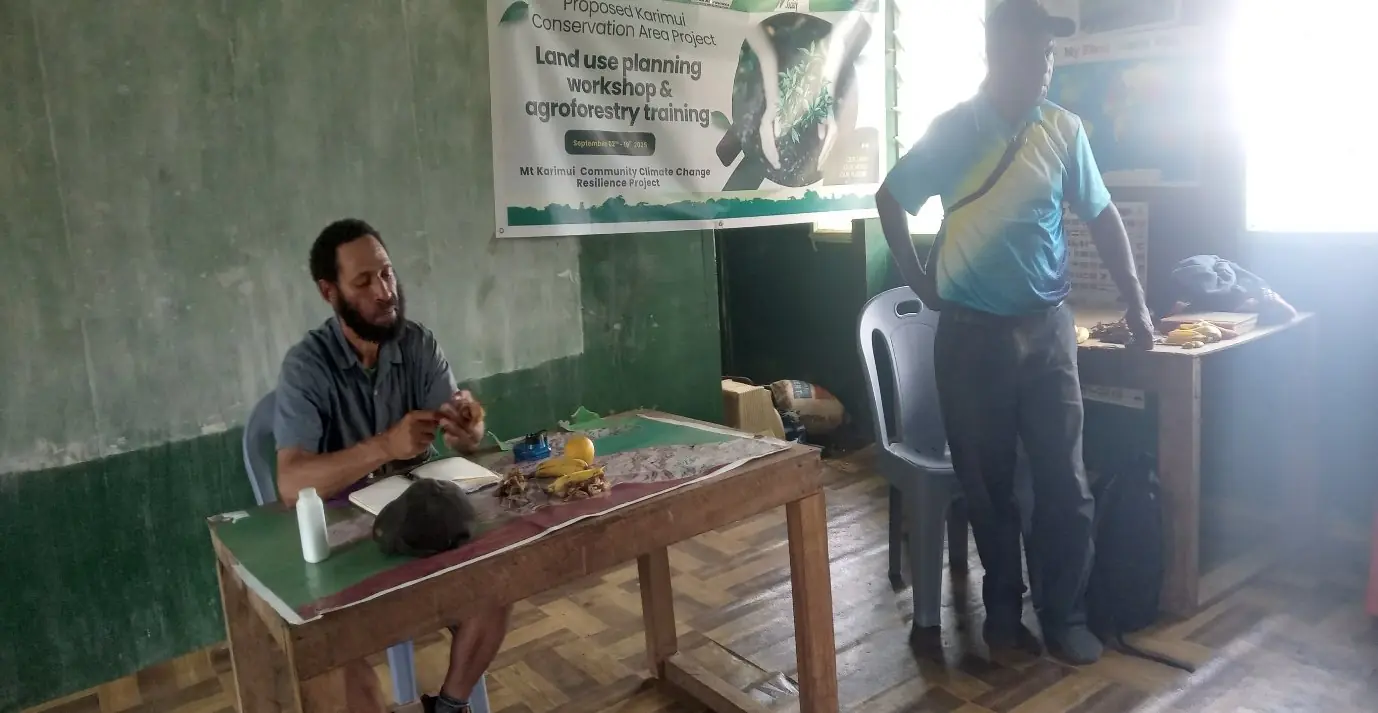
A Karimui where the rainforests, biodiversity and cultural heritage of the Pawaia, Yasa, Daribi and Bomai peoples are protected in perpetuity, and where forest-dependent communities thrive through sustainable, locally led conservation.
To secure the gazettal and long-term management of the Mt Karimui Conservation Area; to strengthen clan-based stewardship of forests, lands and waters; and to develop livelihoods and community development that let Karimui prosper without depleting its natural heritage.
Custodianship
Land, forest and waters belong to clans across generations. KCRMPI serves as a steward, not an owner.
Community-led
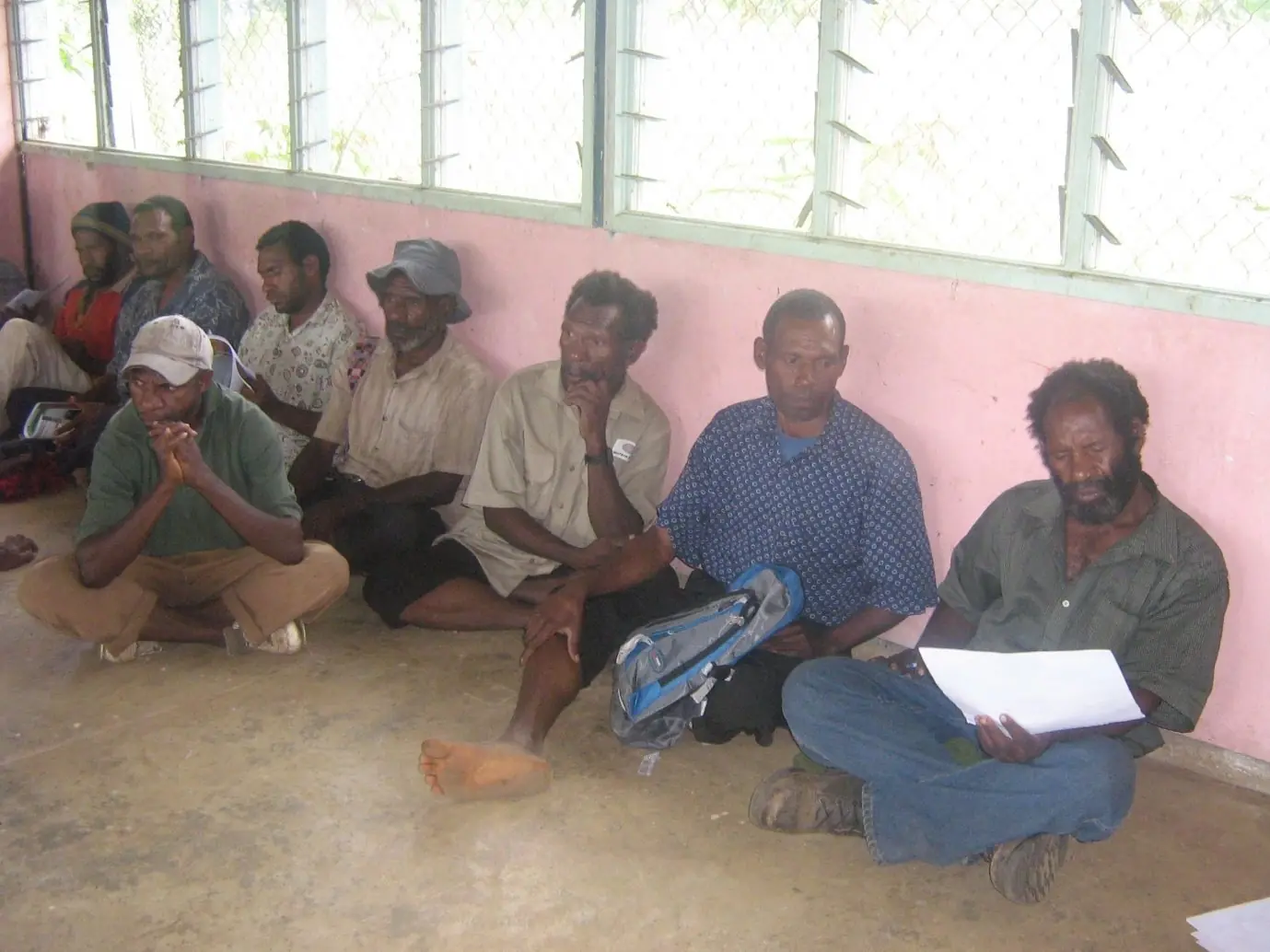
Decisions about conservation, land use and benefit-sharing are made by clans and landowners through FPIC.
Cultural integrity
The knowledge, languages and customary governance of the Pawaia, Yasa, Daribi and Bomai are part of conservation.
Transparency
Resources, decisions and results are reported openly to communities, partners and donors.
Partnership
KCRMPI achieves more with others — government, NGOs, donors, scientists and peer organisations.
Sustainability
Both ecological and organisational: KCRMPI plans for the long term and builds resilience into its work.
- 01
Sustained advocacy for the gazettal of the Mt Karimui Conservation Area — an initiative started by the people of Karimui themselves.
- 02
The annual Karimui Conservation, Agriculture and Cultural Show, running since 2018 — a platform for awareness, agriculture and culture.
- 03
Clan Conservation Committees established and sustained as the foundation for community-based resource governance.
- 04
Provincial and district government support, including PGK 20,000 in early years and a PGK 100,000 District commitment toward final-phase gazettal work.
- 05
Long-standing partnership with Partners with Melanesians Inc. (PWM) since 2010, the NGO that delivered the 360,000-hectare Managalas Conservation Area in 2017.
- 06
Negotiation of the seven-party MOU in October 2024, anchoring the institutional architecture for gazettal.
- 07
168,000 hectares confirmed under free, prior and informed consent, with 14 of 27 wards signed.
KCRMPI
Community mobilisation, clan engagement, day-to-day project implementation, custodian of community relationships.
Partners with Melanesians (PWM)
Technical lead on the protected-area establishment process. Led the gazettal of the Managalas Conservation Area (360,000 ha, gazetted 2017).
CEPA
National regulatory authority and final decision-maker on protected area declaration.
Karimui-Salt Nomane DDA
District-level support, including PGK 100,000 commitment toward final-phase work and secondment of a District Support Officer.
Karimui LLG
Local government authority and community-level coordination and dispute resolution.
Simbu Provincial Government
Provincial-level political support and co-funding.
Mt Karimui Farmers' Cooperative
Livelihood vehicle generating conservation-compatible income through coffee, rice, cocoa, peanuts, vanilla, vegetables, livestock, poultry, apiculture, piggery, fish farming, and trade store operations.
- General Assembly / Members— Highest governing body
- Board of Directors— Strategic oversight
- Project Director— Executive leadership
- Programme staff & field officers— Operations
- Clan Conservation Committees— Community governance
- CAMC (after gazettal)— Statutory co-management
- 20022002
KCRMPI Initiated
The conservation initiative began with local landowners, clan leaders, and the project director in Karimui — well before formal registration.
- 2007–082007–08
Formal CBO Registration
KCRMPI registered with the Internal Revenue Commission (IRC, GP 3107) in 2007 and the Investment Promotion Authority (IPA) in 2008, establishing legal entity status.
- 20162016
Owlet-Nightjar Rediscovered
First field observation of the Karimui Owlet-Nightjar since Jared Diamond's 1964 specimen.
- 20172017
Simbu Provincial Support
Simbu Provincial Government commits PGK 20,000 in support of conservation efforts.
- 2024 May2024 May
Protected Areas Act
PNG passes the Protected Areas Act, creating the legal framework for community-led conservation areas.
- 2024 Oct2024 Oct
Seven-Party MOU
Historic Memorandum of Understanding signed between KCRMPI, PWM, CEPA, DDA, LLG, Provincial Government, and the Cooperative Society (10th–15th October 2024).
- 2024 Oct2024 Oct
K100,000 Commitment
Karimui-Salt Nomane District Development Authority commits PGK 100,000 toward completing the final 30% of gazettal preparation, alongside the seven-party MOU signing.
- 20262026
Gazettal Fast-Tracked
The Minister for Environment, Conservation and Climate Change directs CEPA to fast-track the gazettal and declaration of the Mt Karimui Conservation Area. 168,000 hectares are now confirmed under FPIC, with 14 of 27 wards having signed consent.
- 2026-20302026-2030
Strategic Plan
A focused five-year plan: two foundation years building KCRMPI's skills, systems, and equipment, then three years implementing all four programmes.
Learn about partnership opportunities and how you can support the Mt Karimui Conservation Area.